


Cultivating, Seeding, and Planting a Better World
Ruha Benjamin argues that the social change we seek begins within the individual.
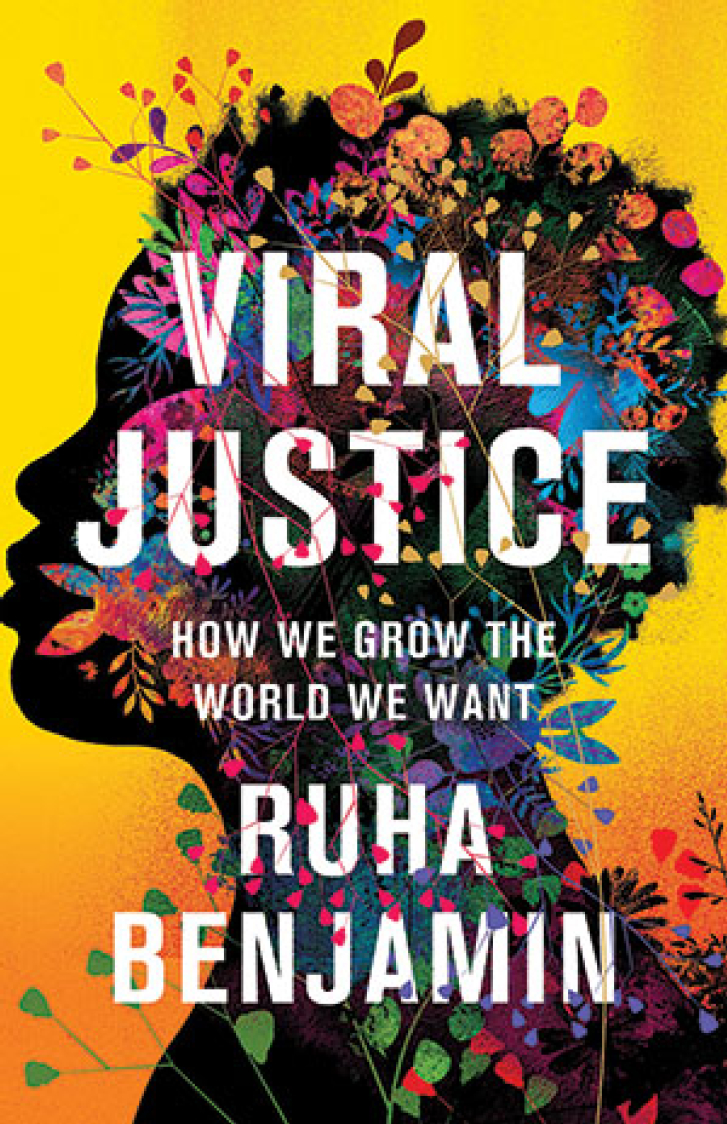
Ruha Benjamin argues that the social change we seek begins within the individual.
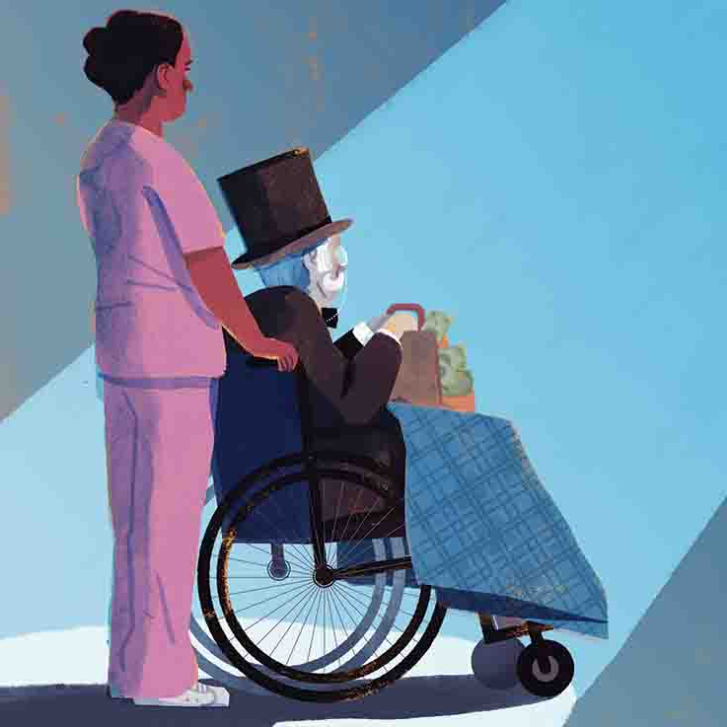
A successful transition away from fossil fuels will require strong and vocal civil society organizations and social movements, along with government and business, to make the changes that are necessary if we are to avoid the calamities of global warming.

A collection of standout pieces published online about supporting women’s leadership in STEM, preventing gun violence, creating safer roads, measuring impact, and narrative change.
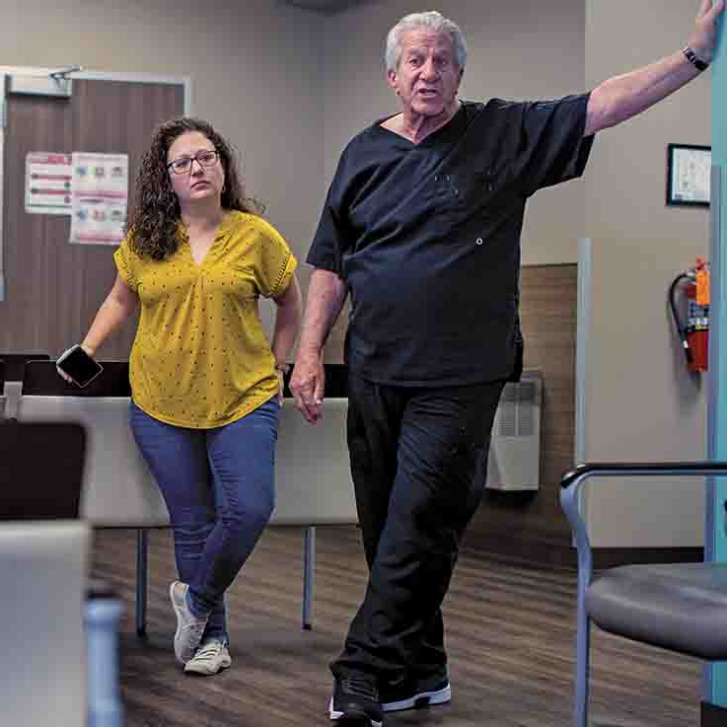
The Supreme Court’s Dobbs decision shutters medical clinics, jeopardizing health-care access.

Who more than foundation leaders understand how a permanent asset like an endowment brings power? And yet, for most organizations we work with, we haven’t taken the strategic step to provide them with that power.
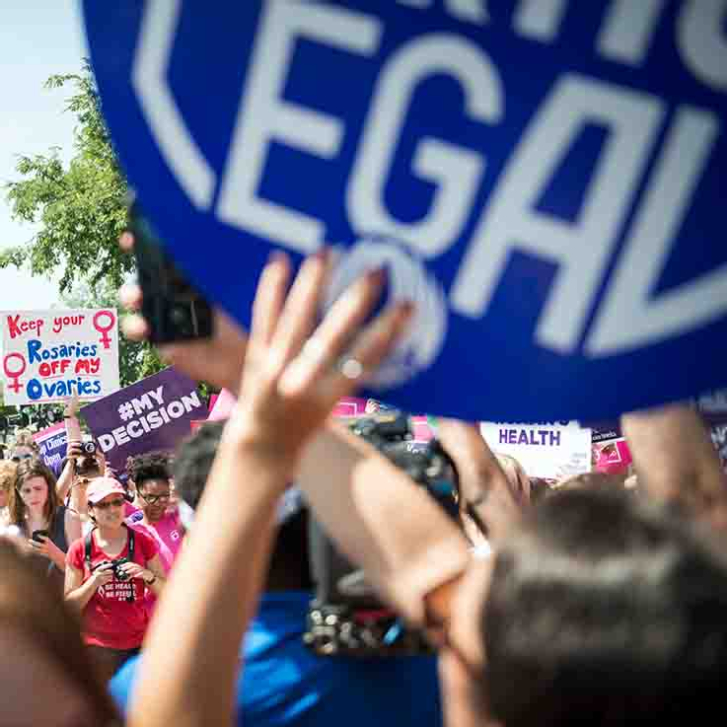
Four promising strategies to expand equitable access to safe and legal abortion care in the United States—and the particular role of philanthropic actors in advancing them.

Many hold strong opinions about translating private-sector experience to social impact. Four pioneering founders have figured out how to make it work.

Two years ago I quit my nonprofit CEO job. I’ve just had the two most productive years of my career.

Since the first days of the war, Ukrainians have responded with the expertise, creativity, and flexibility necessary to meet the needs of their neighbors rapidly and efficiently.

New evidence shows that the very act of giving feedback on nonprofit programs can predict participant outcomes.